

Course Description
This course bridges the gap between pure biological sciences and the clinical realities of human medicine. You will explore the inner workings of life, starting at the microscopic level with cellular structures and genetic blueprints, before scaling up to analyze the complex organ systems of the human body. By studying both healthy physiological baselines and the mechanisms of disease, this curriculum provides the essential scientific vocabulary and analytical framework required for healthcare professionals and biomedical researchers.
Core Topics
-
Cellular and Molecular Biology: Structure and function of cells, membrane transport, cellular respiration, and the mechanisms of DNA replication, transcription, and translation.
-
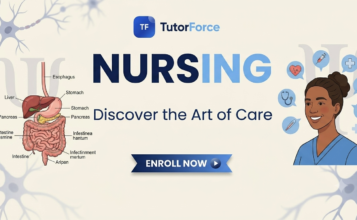
Human Anatomy and Physiology: Comparative study of the major organ systems—including the cardiovascular, respiratory, nervous, endocrine, and immune systems—focusing on how they maintain internal equilibrium (homeostasis).
-
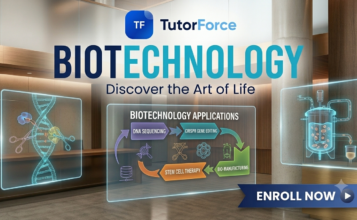
Genetics and Molecular Medicine: Patterns of inheritance, genetic mutations, biotechnology applications, and the genetic basis of complex hereditary disorders.
-
Pathophysiology and Immunology: How pathogens bypass host defenses, the mechanics of the innate and adaptive immune responses, and the cellular disruptions that cause chronic diseases.
-
Introduction to Pharmacology and Therapeutics: The foundational mechanics of how drugs interact with biological targets (pharmacodynamics) and how the body processes pharmaceuticals (pharmacokinetics).
FAQ
-
Is this course suitable for pre-med students? Absolutely. This curriculum directly targets the core biological competencies tested on medical school entrance exams and covers the foundational material taught in first-year health professional programs.
-
How much chemistry is integrated into this course? A basic understanding of general and organic chemistry is highly recommended, as topics like cellular signaling, metabolic pathways, and pharmacology rely heavily on molecular interactions.
-
What is the best way to study this high-volume material? Avoid rote memorization. Focus on understanding the mechanism of action—if you understand how a system functions normally to maintain balance, it becomes much easier to deduce what happens when something goes wrong (disease).
Student Ratings & Reviews